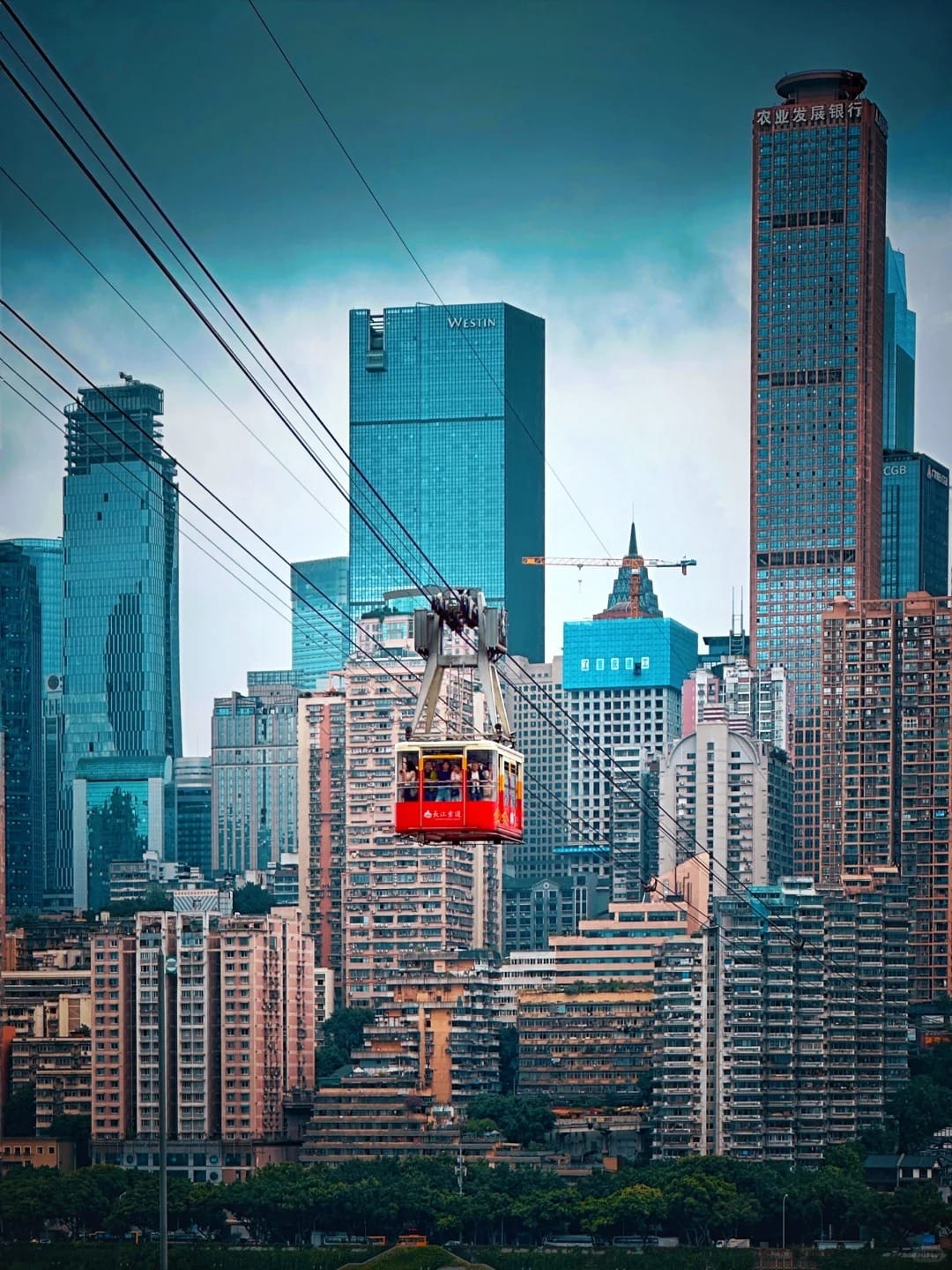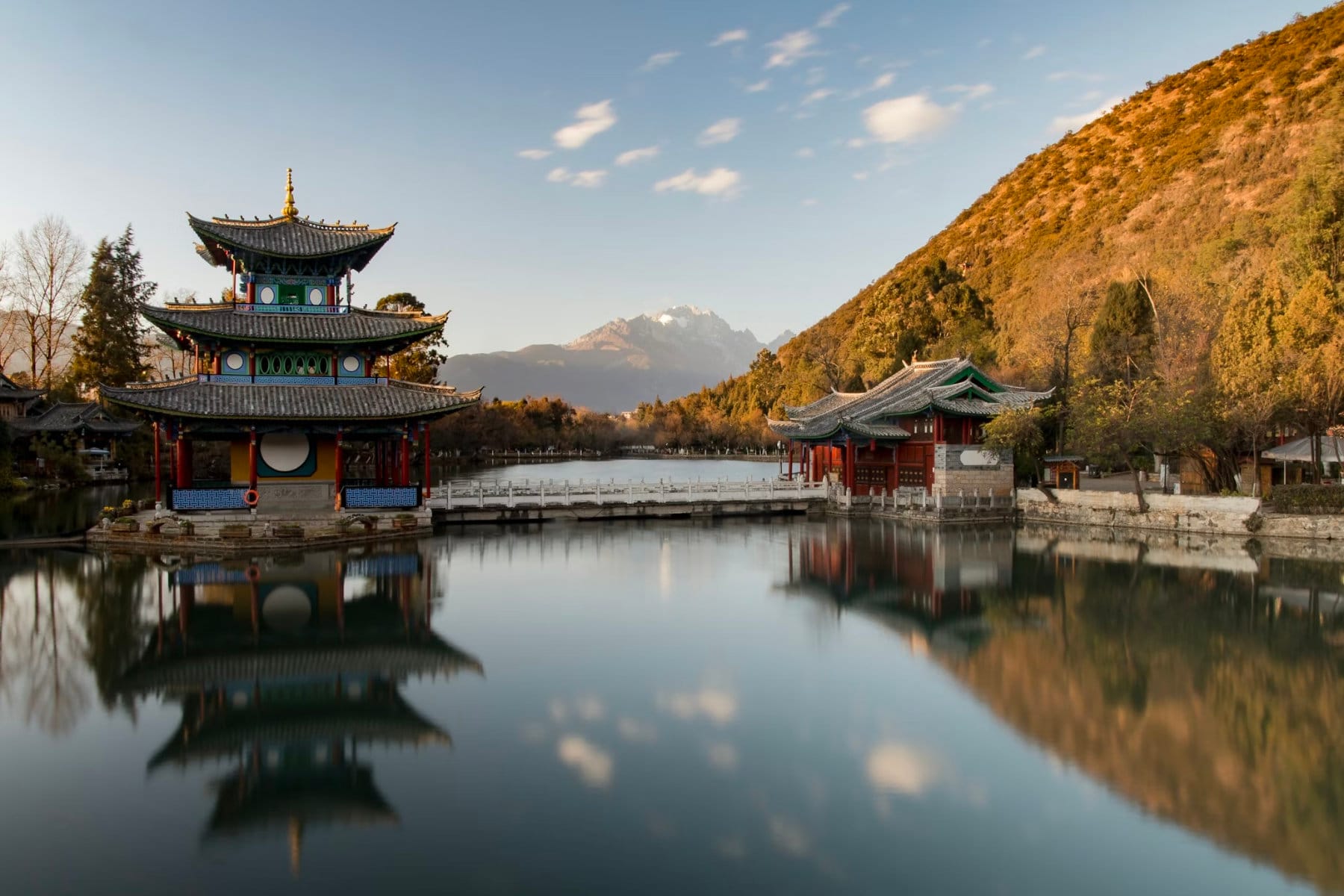
If Shanghai represents China’s infamous “996” hustle culture (work 9am to 9pm, 6 days a week), Yunnan, China, represents the “Daliness” of life—a local term for slowing down, breathing mountain air, and reclaiming your time. While Southeast Asia has long been the go-to for remote workers, Yunnan has quietly become the “Goldilocks” destination: not too hot, extremely affordable (even more so than Southeast Asia, really), and perfectly connected.
1. The “Eternal Spring” Advantage (VS. Southeast Asia Humidity)
The biggest struggle for nomads in places like Thailand or Bali is the relentless humidity and “forever summer” heat. Yunnan offers a refreshing alternative:
- The “City of Eternal Spring”: Most of the province, including Kunming and Dali, enjoys a temperate climate year-round. You get the sun without the sweat, and the crisp, low-humidity air makes for a much more productive work environment.
- Real Seasons: If you miss the feeling of a light jacket in autumn or a cozy, misty winter morning, Yunnan is your refuge.
2. A Hub for “Slow Life.”
In the coastal metropolises, life is a race. In Yunnan, life is a ritual.
- Non-Competitive Culture: The local “lying flat” (tang ping) movement among Chinese youth has turned cities like Dali and Mile into sanctuaries for well-being. The locals prioritize leisure, tea, and community over the corporate ladder, creating a stress-free atmosphere that is contagious for nomads.
- Artisanal Entrepreneurship: You’ll find former tech managers now running boutique coffee roasteries or ex-bankers teaching pottery. It’s a community of “recovering strivers” who have chosen a better quality of life.
3. Incredible Nature Diversity & Fresh Food
Yunnan is one of the most geographically diverse places on the planet. In a single province, you can experience:
- From Tropical to Alpine: Start your week in the tropical rainforests of Xishuangbanna and end it overlooking the snow-capped Meili Mountains or the golden Tiger Leaping Gorge.
- The Freshness Factor: Because Yunnan is China’s agricultural powerhouse, you have access to incredible, farm-to-table produce. From wild mushrooms to world-class Yunnan coffee and fresh avocados, eating like a king here costs a fraction of what you’d pay in a Western city (around $10–$15 a day).
4. Extreme Low Cost of Living – Even Cheaper than Southeast Asia
One of the most compelling reasons Yunnan has become a nomad stronghold is its unbeatable cost-of-living to quality-of-life ratio. In 2026, you can maintain a high-end lifestyle in cities like Dali or Mile for a fraction of the cost of Southeast Asian hubs; a modern, sun-drenched studio in a traditional courtyard often ranges from $300 to $500 USD per month, while the province’s status as an agricultural powerhouse keeps food costs remarkably low. With a bowl of world-class rice noodles costing less than $2 and locally grown specialty coffee priced at $3, a total monthly “burn rate” of $800 to $1,200 comfortably covers luxury accommodation, daily dining out, and weekend mountain adventures—allowing you to save or reinvest in your business without sacrificing comfort.
5. Seamless Connectivity to Southeast Asia
Living in Yunnan doesn’t mean you’re disconnected from the rest of the nomad world.
- Direct Flight Hub: Kunming International Airport is a major gateway to Southeast Asia. You can hop on a direct, 2-hour flight to Bangkok, Chiang Mai, or Hanoi for a weekend trip.
- The Pan-Asian Rail: With the rail expansions, you can even take high-speed trains directly into Laos and toward Singapore, making Yunnan the perfect “northern anchor” for an Asia-wide nomad journey.
6. China’s Original Nomad Hub
Before the rest of the world caught on, Dali in Yunnan Province was already the “Silicon Valley of the East” for China’s domestic remote workers. It is the most established nomad hub in the country, offering an infrastructure that rivals Chiang Mai.
- An Established Chinese Nomad Community: Dali isn’t just a place where people work; it’s where they belong. Hubs like Dali Hub and NCC (Nomad Connection Community) host weekly “Inspiration Dinners,” Web3 salons, and skill-share workshops.
- The Cafe Culture: The streets of Dali Old Town and the shores of Erhai Lake are lined with “work-friendly” cafes like The Bookworm or Maka Space. You’ll find high-speed Wi-Fi, Yunnan specialty coffee, and a community of “recovering strivers” from Beijing and Shanghai who have traded their suits for hiking boots.
- Endless Activities: When the laptop closes, the community stays active. From morning rooftop yoga and sunset hikes in the Cangshan Mountains to weekend artisan markets and live music in local bars, there is zero chance of “nomad loneliness” here.
Why We Hosted Our First Retreat in Mile (The Hidden Gem)
While Dali and Lijiang are the famous “faces” of Yunnan, we chose to host our very first retreat in a small, relatively unknown city called Mile (弥勒).
- The Architecture: Centered in Dongfengyun Art Village, a surreal town built entirely of red bricks that feels like a futuristic sandcastle.
- Wine & Hot Springs: Mile has a unique wine history (French-style vineyards!) and natural mountainside hot springs, perfect for a Friday “soak and social.”
Our next retreat is coming up soon – want to join us? Book a call to discover if it’s the right fit for you.