For years, Bangkok has been a popular Asian nomad hub. But now the crowds are dense, the heat is rising, and the “secret” is long gone.
Enter Chongqing. As the world’s largest administrative city, it is a 32-million-person metropolis that—impossibly—feels more manageable, affordable, and visually inspiring than the classic Southeast Asian capitals. Here is why we chose Chongqing for our next flagship retreat and why it’s the megacity you actually need.
1. The “Vertical City” (Chongqing) vs. The “Horizontal Sprawl” (Bangkok)
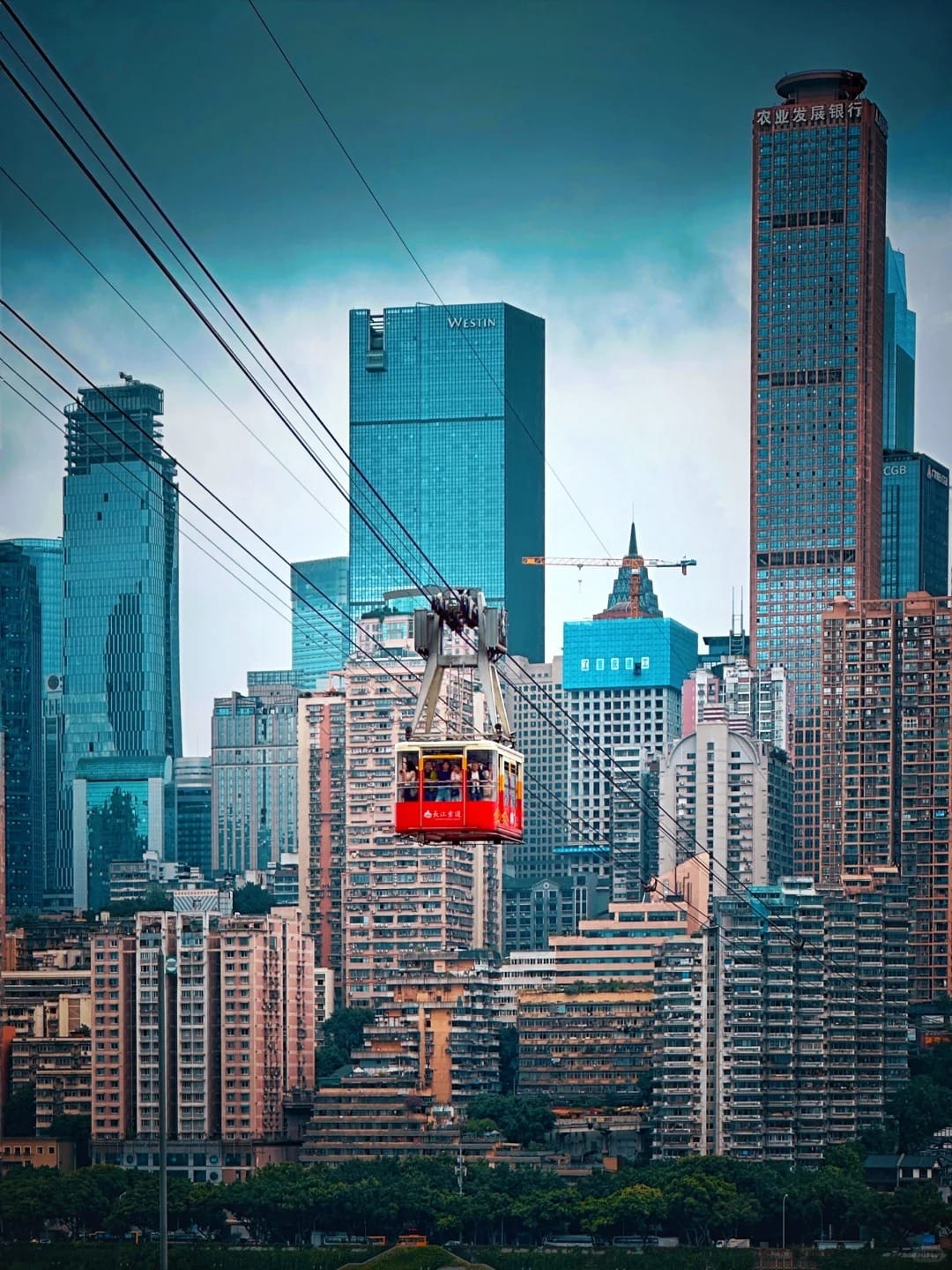
Bangkok is a sprawl; a 2-mile trip can take 40 minutes in a taxi. Chongqing is vertical. Built into mountains at the confluence of two massive rivers, the city is a 3D masterpiece of efficiency.
- The 15-Minute Life: Because the city is layered, everything you need—coworking, high-end coffee, and local markets—is often just a lift-ride or a short walk away.
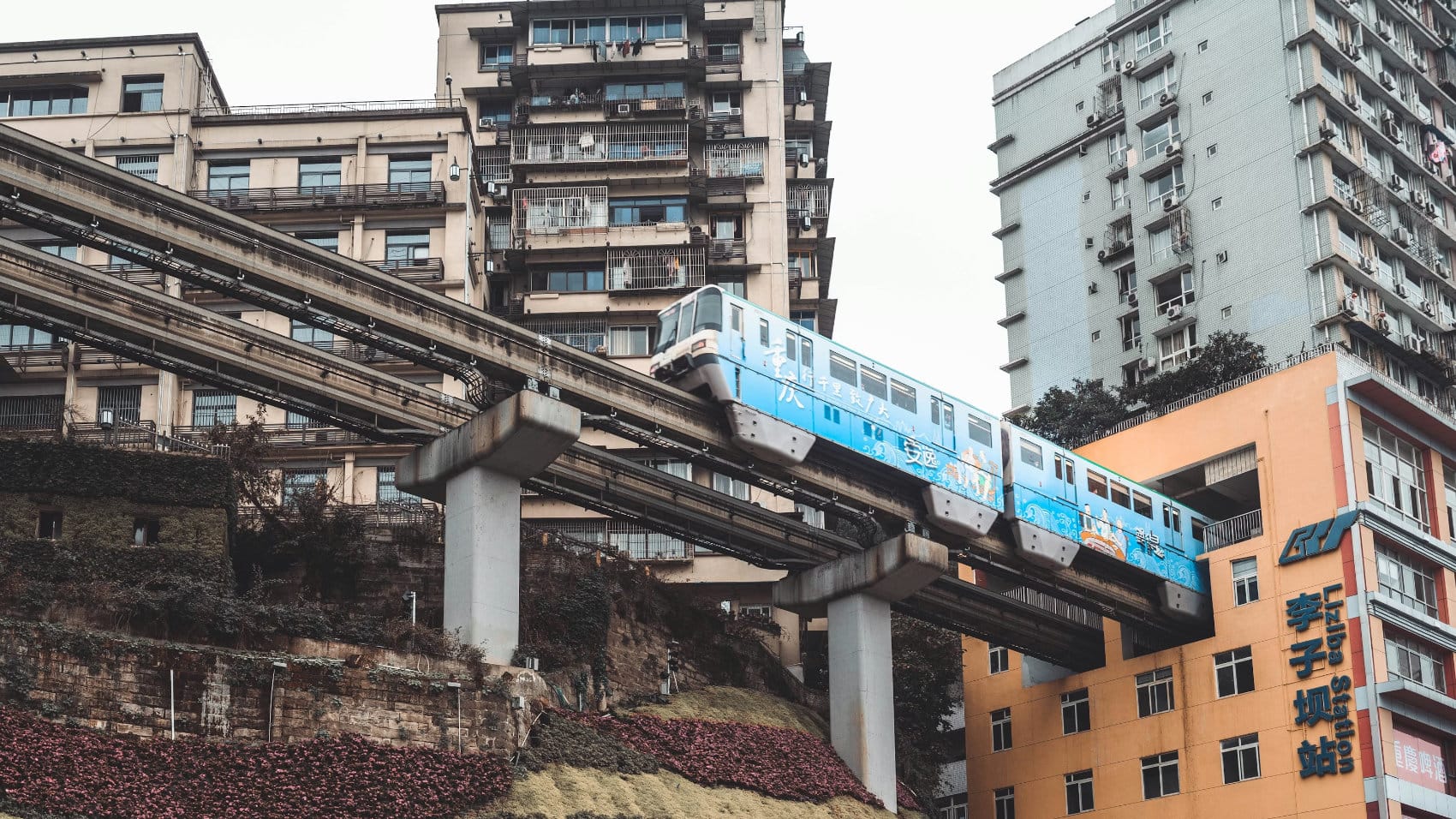
- Seamless Transit: While Bangkok’s BTS is great, Chongqing’s monorails are legendary (yes, one famously goes through an apartment building). It is the world’s longest monorail system, moving you across the city’s “8D” landscape with sci-fi precision.
2. Futuristic High-Tech Convenience Without the “Tourist Trap” Prices
While Bangkok’s prices have surged with its popularity, Chongqing remains a hidden gem of affordability. Your “nomad dollar” goes nearly twice as far here:
- Cost of Living: A luxury studio in a Chongqing skyscraper often costs less than a basic condo in Bangkok’s Sukhumvit district.
- The Payment Revolution: While Thailand is still cash-heavy in local markets, Chongqing is 100% cashless. With Alipay for foreigners, you can buy a $1 bowl of Xiao Mian noodles or a $500 designer jacket with the same swipe of your phone.
Perhaps the biggest shock for nomads is how affordable Chongqing remains compared to Beijing or Shenzhen.
- A “Cyberpunk” Studio: $400–$650/month for a modern apartment with a river view.
- Daily Food: $12–$18. You can grab a bowl of legendary spicy noodles for less than $2.
- Convenience: Like most of China, the “App Economy” (Meituan for delivery, DiDi for transport) is ultra-efficient. You can have a hot latte delivered to your door in 15 minutes for $3.
3. Nature is a “Feature,” Not an Escape
In most megacities, you have to leave the city to find nature. In Chongqing, nature is woven into the architecture.
- Fog and Forest: Known as the “Foggy City,” the misty mountain atmosphere provides a natural cooling effect and a moody, creative vibe that Bangkok’s humid heat can’t match.
- The Nanshan Retreat: Just 15 minutes from the central business district, you can be hiking through dense forests or working from a cliffside tea house overlooking the Yangtze River.
4. A City for All Four Seasons (Goodbye, “Forever Summer”)
Many nomad hubs in Southeast Asia offer just two settings: “Hot” and “Rainy.” If you’re the kind of remote worker who misses the crisp air of autumn or the cozy, misty vibe of a real winter, Chongqing is your refuge.
- Spring (March–May): The city wakes up in a burst of blossoms. Temperatures hover between 15°C and 25°C, perfect for walking the city’s famous steps without breaking a sweat.
- The “Furnace” Summer (June–August): We’ll be honest—Chongqing is one of China’s “Three Furnaces.” It gets hot and humid. This is the season for air-conditioned co-working and legendary nighttime river cruises when the breeze finally kicks in.
- Autumn (September–November): This is the “Golden Season” for nomads. The humidity drops, the skies clear, and the surrounding mountains turn vibrant shades of orange and gold. It is “light jacket weather” at its absolute finest.
- Winter (December–February): Chongqing doesn’t usually get snow, but it gets a “Mystical Mist.” It’s chilly (6°C–12°C) and damp—the perfect excuse to spend your afternoons in a steaming hot spring or tucked away in a quiet, moody book-cafe.
Nomad Tip: While South China doesn’t have central heating like the North, every modern apartment and café in Chongqing is equipped with high-powered AC units that double as heaters, keeping your “home office” perfectly cozy.
5. Heaven for Spicy Food Lovers, But A Different Kind
Chongqing’s food scene is legendary, but it’s often misunderstood by those who haven’t visited. While it is undoubtedly the “Hotpot Capital of the World,” the culinary landscape is far more diverse than just “lava-level” spice.
If you love Thai food, you might think you know spicy—but Chongqing’s “spicy” is a different beast entirely.
- Thai Spiciness: Usually relies on fresh bird’s eye chilies, lime, and fish sauce for a sharp, acidic, “front-of-the-tongue” burn.
- Chongqing Mala: This is a complex harmony of Mǎ (numbing) and Là (spicy). The secret is the Sichuan Peppercorn, which creates a tingling, electric sensation that temporarily numbs your lips, allowing you to taste the deep, savory flavors of the beef tallow and spices without being overwhelmed by pure pain. It’s an “addictive” heat that feels more like a warm glow than a sharp sting.
Nomad Pro-Tip: When ordering hotpot, always ask for a “Yuan-Yang” (Mandarin Duck) pot. This gives you a split bowl: one side with the fiery red mala broth, and the other with a rich, non-spicy mushroom or tomato broth. It’s the perfect way to pace yourself.
Heaven for Non-Spicy Eaters
Don’t let the red oil fool you; some of Chongqing’s most iconic and comforting dishes aren’t spicy at all. Because the city has been a crossroads for trade for centuries, its “Jianghu” (folk) cuisine includes many delicate flavors:
- Pork Knuckle Soup (Ti Hua Tang): A silky, collagen-rich white broth with melt-in-your-mouth pork—the ultimate comfort food after a long day of deep work.
- Three-Fresh Rice Noodles (San Xian Mi Xian): A savory noodle soup topped with mushrooms, ham, and quail eggs. It’s light, nutritious, and completely chili-free.
- Clear Broth Wontons (Qing Tang Chao Shou): Delicate pork dumplings served in a clear, umami-packed chicken or bone broth.
- Silver Ear Soup: A sweet, chilled dessert soup made from goji berries and snow fungus—perfect for cooling down on a humid afternoon.
The “App-Powered” Dining Experience
One of the reasons we host our retreat here is the sheer convenience of the food ecosystem.
- QR Code Menus: Most restaurants have digital menus. You scan, the English translation (via your browser) kicks in, and you can customize your spice level with a single tap—look for “Bù Là” (No Spicy) or “Wēi Là” (Very Mild).
- 24/7 Delivery: Using the Meituan or Ele.me apps (accessible through Alipay), you can have world-class dumplings or a hot latte delivered to your coworking space or apartment at any hour for just a few dollars.
Why we are hosting a retreat here: Chongqing can be intimidating to navigate solo—GPS often fails in its 3D streets, and English is rare. We host our retreat here to act as your “Local Operating System.” We handle the logistics, the 8D navigation, and the community, so you can simply step into the future and work and enjoy a community of like-minded international remote workers and digital nomads. Book a call with us to join the next retreat!